
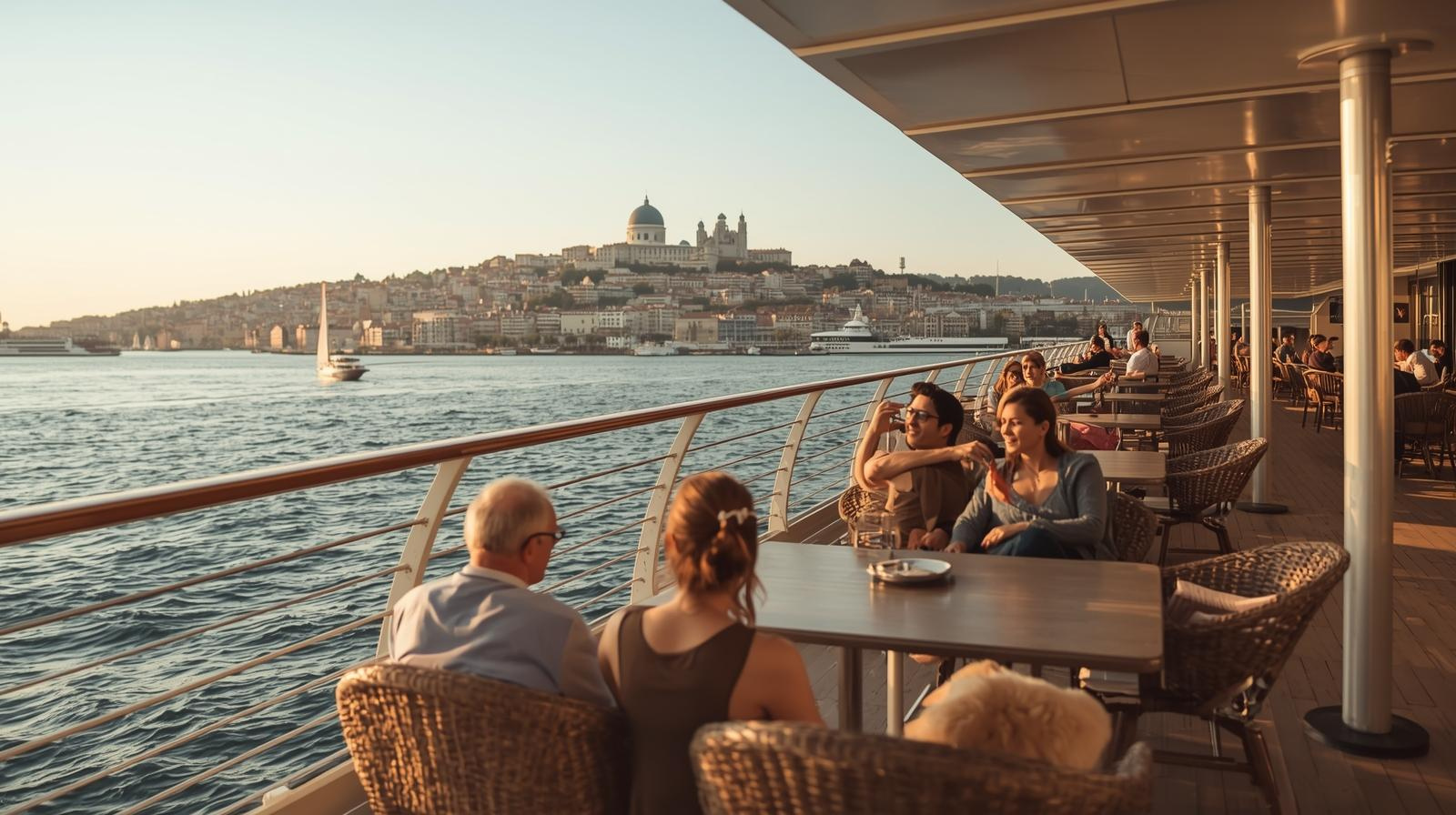
In an era defined by instant gratification and whirlwind weekend city breaks, a quiet revolution is taking place within the travel community. The modern holidaymaker is increasingly turning away from exhausting, multi-country itineraries in favour of a more mindful approach. This philosophy is rooted in the simple yet profound concept of exploring destinations at a leisurely pace. Instead of treating a map like a checklist of landmarks to be hastily ticked off, slow travel encourages us to linger, to observe, and to truly immerse ourselves in the local rhythm of life. By doing less, we invariably see, feel, and understand so much more.
The allure of slow travel lies in its rejection of the tourist grind. When you stop rushing from one photo opportunity to the next, you open yourself up to serendipity. The most memorable travel moments rarely happen on a rigid schedule; they occur when you have the time to accept an invitation for tea from a shopkeeper, or when you spend an entire afternoon reading in a sun-dappled piazza. For those ready to embark on this journey, arranging your initial transport can still be efficient and cost-effective. You can sensibly plot your primary hubs, allowing the spaces in between to remain beautifully unscripted.
The Core Philosophy
"To travel slowly is to transition from being a mere spectator to becoming a temporary local. It is the art of finding extraordinary beauty in ordinary moments."
Shifting the Focus from Quantity to Quality
A common misconception is that slow travel is solely for retirees or those with boundless time and budgets. In reality, it is a mindset applicable to any holiday length. It simply means choosing one region, or even just one city, and exploring it thoroughly rather than attempting to conquer an entire continent in a fortnight. This approach drastically reduces the stress associated with constant packing, unpacking, and navigating unfamiliar transit systems.
When exploring destinations at a leisurely pace, your days are not dictated by alarms and departure times. You might decide to spend your morning simply observing the world go by from a corner café, tuning into the cadence of a foreign language. To enrich these deeper dives into local culture, engaging with knowledgeable guides can be invaluable. Securing access to unique local activities and hidden gems helps you peel back the layers of a city far beyond its surface-level attractions.
The Environmental and Economic Impact
Beyond personal wellbeing, slow travel holds significant benefits for our planet and the communities we visit. Frequent short-haul flights and brief stays contribute heavily to carbon emissions and overtourism in major hotspots. By opting for longer stays in singular locations, travellers naturally reduce their carbon footprint.
Furthermore, this deliberate pacing ensures that tourism revenue reaches deeper into the local economy. Instead of dining exclusively at international chains clustered around major monuments, slow travellers are more likely to buy groceries from local markets, eat at family-run tavernas, and hire independent artisans for workshops. It fosters a sustainable exchange that respects the destination rather than merely consuming it.
Practical Steps to Slow Down
- Rent an Apartment: Staying in residential neighbourhoods rather than hotel districts instantly changes your relationship with a city. Cooking with local ingredients forces you to navigate local shops and interact with residents.
- Embrace Public Transport: Taking the bus or local train is a window into the daily lives of the populace. It is slower than a taxi, but infinitely more revealing.
- Leave the Itinerary Blank: Plan one main activity a day and let the rest unfold organically. This flexibility allows you to follow up on recommendations from locals you meet along the way.
Even when planning a broader European adventure, you can apply this ethos. Find affordable connections between major bases, but once you arrive, commit to staying put for a while. Travel out radially from your base rather than constantly moving your luggage forward.
Reconnecting with the Joy of Discovery
The ultimate reward of slow travel is the restoration of wonder. We live in an over-stimulated society where attention spans are fracturing. By intentionally decelerating our journeys, we allow our minds to absorb the textures, sounds, and subtleties of a new environment. We remember the names of the people we meet, the precise taste of a regional dish, and the particular hue of a sunset over unfamiliar hills.
Whether you are meandering through the hills of Tuscany, taking a gentle canal boat through the Netherlands, or exploring destinations at a leisurely pace in a bustling Asian metropolis, the methodology remains the same. Enhance your long afternoons with curated cultural experiences and museum visits that provide context to your surroundings. Take a breath, put away the guidebook, and let the destination reveal itself to you in its own time.
Frequently Asked Questions
What exactly constitutes 'slow travel'?
Slow travel is an approach rather than a specific duration. It focuses on immersion, connection with local cultures, and sustainability. It prioritises exploring one area deeply over rushing through multiple destinations just to tick them off a list.
Do I need a lot of time to practice slow travel?
Not necessarily. Even on a short holiday, you can practice slow travel by choosing to stay in one neighbourhood, limiting your planned activities to one per day, and prioritising local interactions over seeing every major tourist site.
Is slow travel more expensive?
It is often cheaper! By moving around less, you save significantly on transit costs (trains, flights, taxis). Additionally, staying in apartments and shopping at local markets is usually more cost-effective than dining out for every meal.
How does slow travel benefit the environment?
By reducing the frequency of flights and long-distance transit during your trip, you significantly lower your carbon footprint. It also helps combat overtourism by encouraging visits to secondary cities and rural areas rather than heavily congested tourist hubs.
How can I plan activities without overbooking my schedule?
Focus on 'anchor' activities. Book one significant, meaningful experience—like a cooking class or a guided historical walk—every other day. Leave the remaining time completely free for spontaneous exploration and relaxation.